
What is Shaokao Barbecue? The Night Market Tradition Behind Yunnan's Most Exciting Dishes
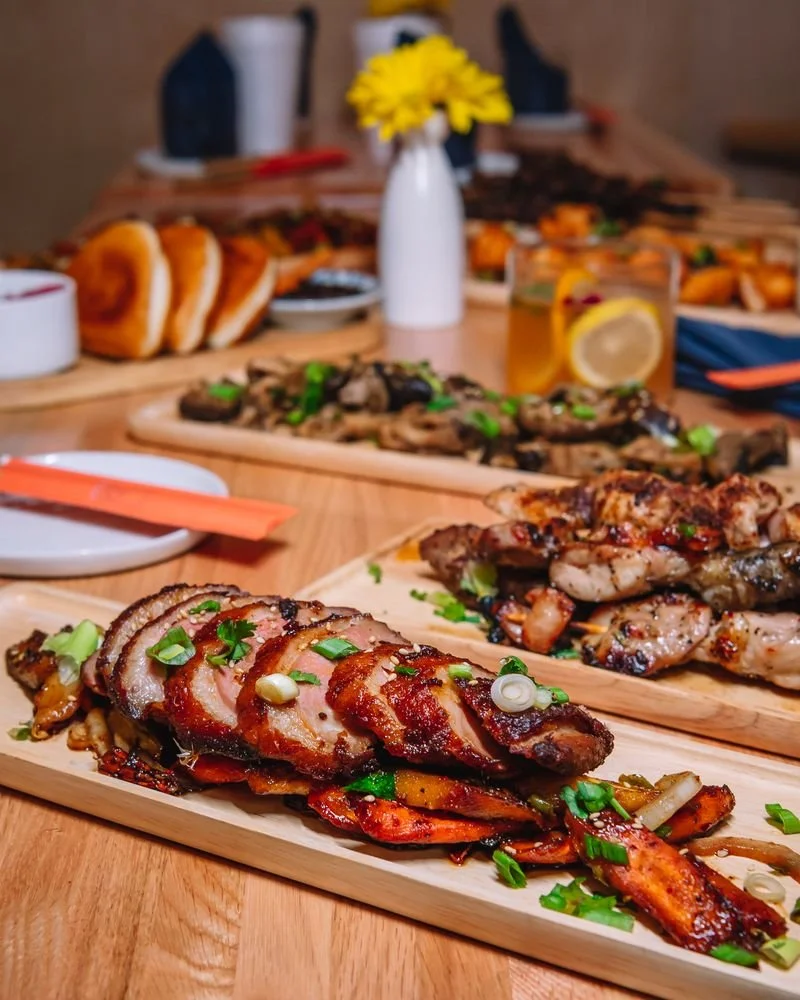
There is a moment that most first-time visitors to Yunnan By Potomac experience at some point during their meal. The small plates have arrived, the dumplings are being shared around the table, and then a platter of skewers comes out from the kitchen, glistening, fragrant, and crackling with the kind of aroma that makes the entire room turn and look.
That is Shaokao. And once you understand where it comes from and what it represents in Yunnan's food culture, it tastes even better.
What Does Shaokao Mean?
Shaokao literally translates to roast or barbecue in Mandarin Chinese. The term is often used interchangeably with kaochuan, which specifically denotes grilled items on skewers, emphasizing the skewer-grilling method central to the dish.
Its origins are ancient, believed to trace back to nomadic tribes who cooked meat on skewers. The modern form developed from the 1980s onwards, spreading rapidly with the growth of street food culture in urban areas. Today it is one of the most universal food experiences in China, found everywhere from roadside stalls in Xinjiang to night markets in Chengdu to the backstreets of Kunming in Yunnan's capital.
Nationally, Shaokao ranks as the second most popular late-night dining option in China after hot pot, with its individual portions and outdoor appeal supporting widespread participation in these rituals. To put that in perspective: in a country of 1.4 billion people with one of the most extraordinary food cultures on earth, Shaokao is the second most popular thing people reach for when the sun goes down.
The Night Market Soul of Shaokao
To understand Shaokao properly, you have to understand what it is for. This is not refined restaurant cooking. It is the food of gathering, of late evenings with friends, of conversation that stretches long past when you planned to leave.
The practice evokes yanhuoqi, a term capturing the warmth and cheer of shared fire and smoke, underscoring its role in fostering casual interactions over meals that prioritize flavor intensity and informality over refined dining.
In the sweltering summers of Sichuan, neighboring Yunnan's most influential culinary cousin, one of the defining activities is heading out for yexiao, a late-night feast that defines the region's nightlife. Vendors set up folding tables and plastic chairs in backstreets and riverside food stalls that come alive after dark, while customers watch vendors flip skewers over open flames, bamboo fans stirring the smoke.
In Yunnan specifically, the Shaokao culture carries all of this communal warmth alongside the province's own distinctive spice profile. Yunnan is home to a few different versions of Shaokao. The spice mix combines cumin and chile popular in northern Chinese Shaokao with the numbing Sichuan peppercorn and citrusy black cardamom that define much of the cooking in central Yunnan. The result is a layered, complex heat that builds gradually and keeps you reaching for the next skewer before the last one has finished.
What Goes on the Skewers
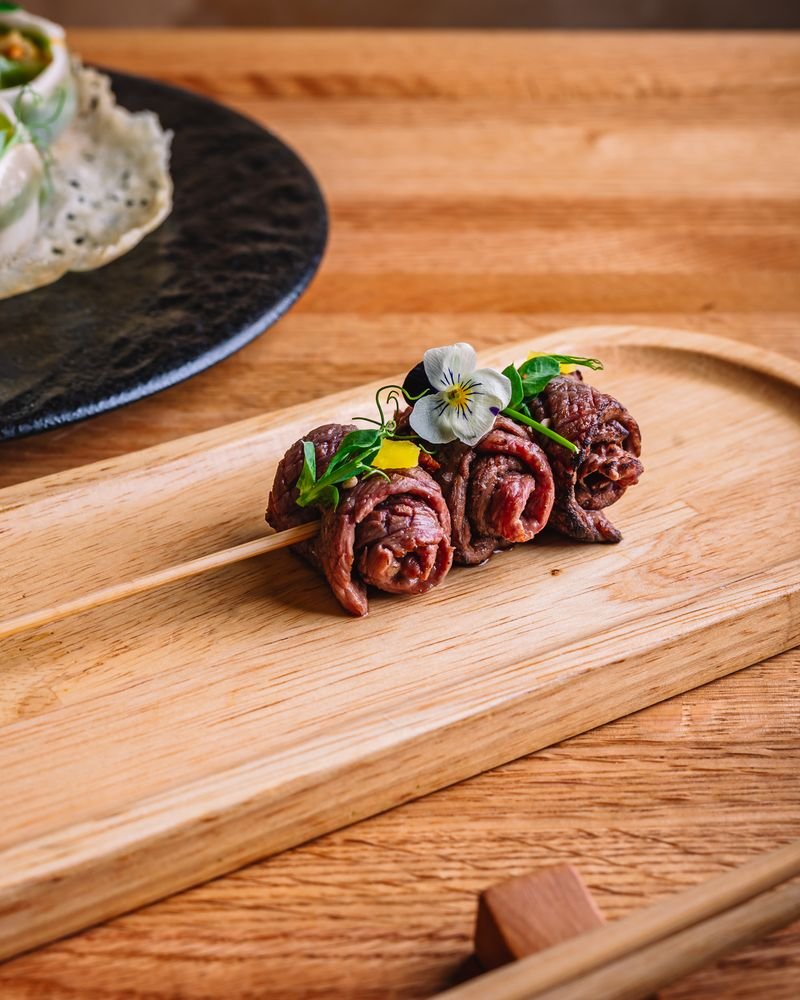
One of the most exciting things about Shaokao is its range. This is not a format limited to one or two proteins. Shaokao uses a diverse range of ingredients including lamb, beef, pork, and chicken, as well as seafood like squid and shrimp, and vegetables like mushrooms and greens. The seasoning is characterized by distinctive spicy condiments using cumin, chili, garlic, and five-spice powder.
A full Yunnan Shaokao spread might include skewers of meat, fish balls, tofu, mushrooms, and sliced lotus root, each doused with a complicated mix of chile and spices. And as with everything in Yunnan cuisine, the quality and provenance of the ingredients matter enormously. A skewer made with exceptional meat and a properly developed spice blend is an entirely different experience from the generic version.
While meat often takes the spotlight in barbecue culture, Shaokao in the Yunnan and Sichuan region is surprisingly also vegetable-forward. Nearly half of the most-ordered Shaokao items are vegetables, led by potatoes, green beans, and lotus root. This is something that often surprises guests who assume barbecue is exclusively about meat. A well-executed skewer of mushrooms or lotus root over an open flame, coated in Yunnan's signature spice blend, is as satisfying as anything on the menu.
How Shaokao is Cooked
Traditional Shaokao is cooked over charcoal. The open flame is not incidental to the experience, it is the point. All kinds of meats and vegetables can be turned into Kunming's version of Shaokao. Everything is grilled on skewers and dosed with lots and lots of spice mix, with the fresher the spices making the more flavorful the dish.
The technique requires attention and timing. Different proteins and vegetables demand different heat levels and cooking times. A master Shaokao cook reads the grill constantly, moving skewers between hotter and cooler zones, fanning the coals to control the temperature, and adding the spice blend at precisely the right moment so that it toasts rather than burns. It is deceptively simple food that requires genuine skill to execute well.
Shaokao at Yunnan By Potomac
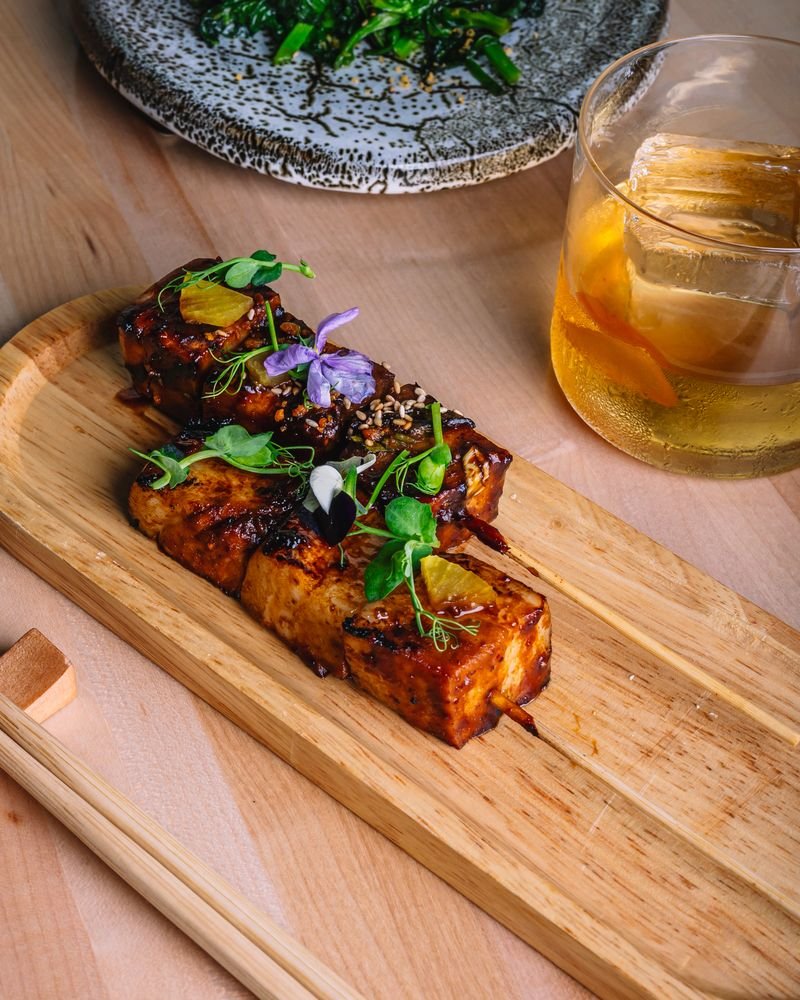
At Yunnan By Potomac, we bring the Shaokao tradition into our kitchen while raising the ingredient quality to match the elevated setting of our Pentagon City dining room. The result is night market barbecue elevated to a restaurant experience without losing any of the directness and intensity that makes Shaokao so compelling in the first place.
Our Shaokao menu is built around a selection of skewers that showcase the range of the format. The A5 Wagyu Skewers represent our most premium expression of the tradition. A5 Wagyu is the highest grade of Japanese beef, known for its extraordinary marbling, its almost buttery texture, and a depth of flavor that very few other proteins can match. Cooked over an open flame and finished with Yunnan's signature spice blend, the result is a skewer that bridges two of the world's greatest culinary traditions in a single bite.
The Pork Wuhuarou skewers are the traditional anchor of the Shaokao section. Wuhuarou refers to five-flower pork, the layered cut known in the West as pork belly, with alternating layers of meat and fat that render beautifully over an open flame. Eater staff visiting the Alexandria location singled out the assertive spicy lamb skewers as a standout dish, describing the overall experience as one where the team over-ordered in a joyful way. That spirit of joyful over-ordering is exactly how Shaokao is meant to be eaten.
We recommend ordering Shaokao skewers alongside your small plates at the start of the meal, letting them arrive at the table while everything else is still coming out of the kitchen. This is how it is done in Yunnan's night markets, where the food arrives continuously rather than in discrete courses, and where the best meals are the ones that seem to never quite end.
Why Shaokao Belongs at the Center of a Yunnan Meal
Shaokao is not an afterthought on the Yunnan By Potomac menu. It is one of the pillars of the experience. It brings smoke, heat, and the primal satisfaction of food cooked over an open flame to a meal that is otherwise built around the more delicate pleasures of silky Mixian noodles, fresh herb-bright small plates, and hand-folded dumplings.
The contrast is the point. A great Yunnan meal moves between textures, temperatures, and intensities. The clean brightness of the Wood Ear and Mint Salad. The comforting warmth of a rich Mixian broth. The crackling heat of a Shaokao skewer straight from the flame. Each element makes the others taste better by contrast, and the Shaokao section of the menu is what gives the meal its backbone of fire and smoke.
If you have not yet tried our Shaokao skewers, your next visit is the time to start. Order a selection, share them across the table, and let the conversation take over from there. That is exactly what Shaokao has always been for.