
A Complete Guide to Mixian, the Soul Food of Yunnan Province
If you have ever visited Yunnan By Potomac, you already know that Mixian is the center of gravity on our menu. Nearly every table orders it. Guests come back for it. People who have never tried Yunnan cuisine before often tell us afterward that it was the bowl of noodles that made them fall in love with the food.
But what exactly is Mixian, where does it come from, and why has it become the defining dish of an entire province? This is everything you need to know.
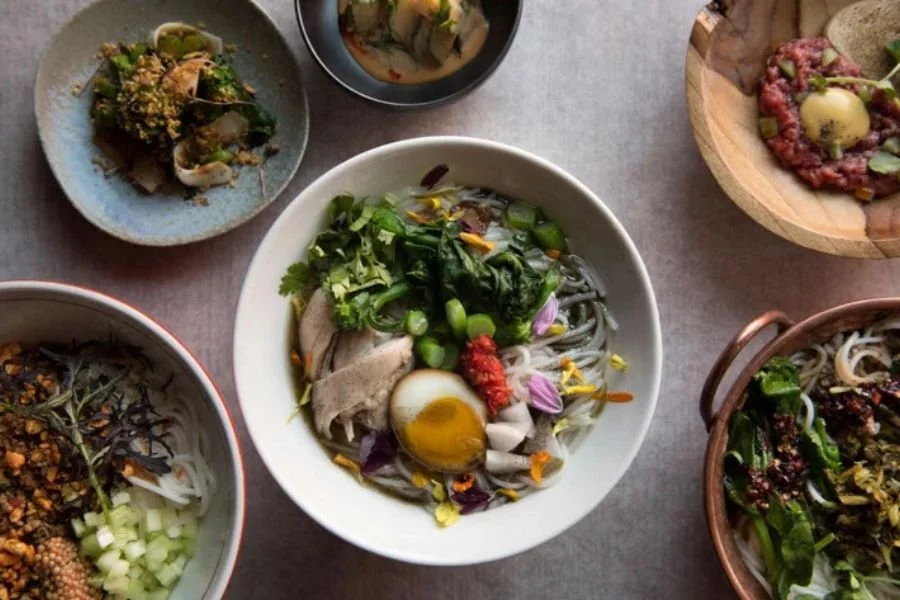
What is Mixian?
Mixian is a type of rice noodle from Yunnan Province, China. These noodles are typically distinguished by their round shape, moderate thickness, and smooth, silky texture. They are normally used fresh and are commonly seen served with rich broths and sauces.
Unlike wheat-based noodles, Mixian are made entirely from rice, which gives them a fundamentally different character. They are lighter on the palate, easier to digest, naturally gluten-free, and have a gentle, clean flavor that allows the broth and toppings surrounding them to take center stage. Rich in carbohydrates, vitamins, minerals, and enzymes, rice noodles cook quickly and evenly and maintain their firmness when boiled, making them suitable for hot-pot and casual dining.
In Yunnan, Mixian are not a side dish or an accompaniment. They are the meal. They are breakfast, lunch, and dinner. They are what Yunnan natives eat when they come home after years away. They are what people describe when they talk about the taste of home.
The Legend of Crossing the Bridge
No discussion of Mixian is complete without its most famous preparation, Guoqiao Mixian, which translates to Crossing the Bridge Noodles. And no discussion of Crossing the Bridge Noodles is complete without the story behind its name.
According to Yunnan culinary tradition, Crossing the Bridge Noodles originated during the Qing Dynasty in Mengzi, Yunnan. The story begins with a scholar who spent many days studying on a small island at the center of a beautiful lake. Every day, his wife made the long walk to the lake, crossing the bridge to the island to bring him his midday meal. However, he was frequently so engrossed in his studies that he only remembered to eat long after the food had grown cold.
Determined to solve the problem, his wife devised an ingenious solution. She used a clay pot to prepare chicken soup and discovered that a layer of chicken fat on the soup's surface helped insulate the broth, keeping it warm. She then added rice noodles, vegetables, and thin slices of meat to the hot broth, allowing them to cook quickly and remain hot for her husband's meal.
The dish that was born from that act of devotion became one of the most beloved in all of Chinese cuisine. In 2008, the dish was officially listed as part of Kunming's intangible cultural heritage, recognizing its historical and social importance to the region.
Ask any Yunnan native about Crossing the Bridge Noodles and they will bring up the legend. In the words of one Yunnan native: "If you're from Yunnan, as soon as you come home, you have to eat a bowl of Guoqiao Mixian. This is our local pride, and it reminds us of the taste of home."
What Makes Mixian Different from Other Noodles?
Americans are generally familiar with two categories of Chinese noodles: wheat-based noodles like lo mein and chow mein, and the thin vermicelli style rice noodles found in dishes like Singapore noodles. Mixian is neither.
Mixian comes in a variety of forms depending on method and ingredient. In regions like Yunnan, rice noodles maintain a distinct identity, whereas rice vermicelli found elsewhere evolved from rice noodles, showcasing both preservation of tradition and regional culinary innovation.
The key distinction is texture. Mixian have a round, moderately thick profile that gives them a satisfying chew without heaviness. They absorb broth beautifully without becoming waterlogged. They hold their structure through a long meal. And because they are made from pure rice, they have a subtle earthiness that wheat noodles simply cannot replicate.
In Yunnan there are also two traditional varieties worth knowing. The sour paste noodle tastes a little sour and is characterized by a relatively thick and soft rice noodle, whereas the dry paste does not have the sourness and the noodle is relatively thin and more rigid. At Yunnan By Potomac we work with fresh Mixian that prioritizes that signature silky, smooth texture our regulars know and return for.
How Mixian is Eaten in Yunnan
Mixian is served in various ways, either in broth or stir-fried. Stir-fried preparation is rapid, most common in the evening, and is popular at roadside barbecue-type stands throughout Yunnan.
In its most celebrated form, the Crossing the Bridge preparation, you will first receive a bowl of piping-hot broth made from chicken, pork, or duck stock, with a rich layer of fat on top. Fresh rice noodles are served on the side. Then comes a cutting board heaping with every topping you can imagine: chicken strips, pork, bean curd sheets, chives, mushrooms, seasonal vegetables, and more. You should add the meat first, then the vegetables and noodles, and finally any sauces or seasonings you prefer. The heat of the broth will cook the ingredients to perfection.
The ritual of building your own bowl is part of the pleasure. It is interactive, communal, and endlessly customizable in a way that reflects the broader spirit of Yunnan dining: food that is meant to be experienced together, at your own pace, in your own way.
Mixian at Yunnan By Potomac
At Yunnan By Potomac, Mixian is the soul of everything we do. Our kitchen makes it fresh and our broths are built from scratch using techniques that honor the Yunnan tradition while embracing the premium ingredients that define our contemporary approach to the cuisine.
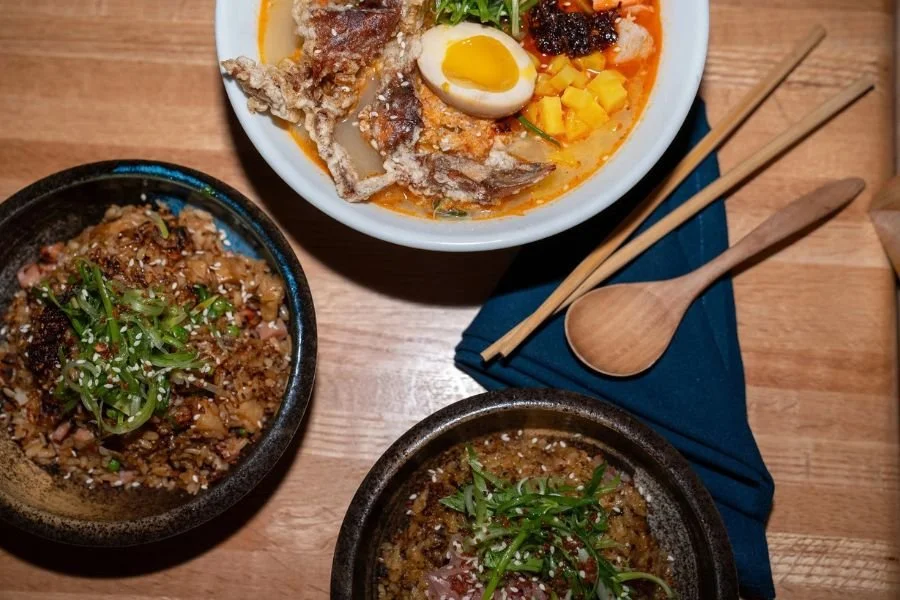
Our signature Norwegian King Crab Mixian is the crown jewel of the menu. A bowl of perfectly silky rice noodles in a rich, deeply savory broth, topped with generous pieces of Norwegian King Crab that bring a sweetness and luxury to the dish that stops conversations mid-sentence. It is the bowl that most of our guests photograph, and the one they tell their friends about.
Beyond the King Crab, our Mixian lineup spans a range of preparations designed to show just how versatile and extraordinary these noodles can be when given the attention they deserve. From bright, herb-forward preparations to deeper, braised meat variations, every bowl tells a different part of the Yunnan story.
If you have not yet tried Mixian and you live anywhere in the Northern Virginia or Washington DC area, we would like to change that. Come in for a weekday Lunch Bento and let the noodles do the talking. Or reserve a table for a full dinner and work your way through the menu with a group.
When you dig into a bowl of Crossing the Bridge Noodles, you are not just eating a meal. You are connecting with a tradition that stretches back through the Qing dynasty, through generations of Yunnan families, and through every bowl that has ever reminded someone of home.
We are open now at 721 15th St S, Unit 150 in Pentagon City, Arlington, and coming soon to Reston Town Center in 2026. Reserve your table at yunnanbypotomac.com.